
Ultimate Voice Search Optimization: 10 Effective Strategies for AI Assistants 2026
Introduction
Voice search is no longer the future of SEO, it’s the present. With 30% of all browsing sessions now involving voice search and 8.4 billion voice assistants in use globally, businesses that fail to optimize for voice are leaving massive opportunities on the table.Voice search is a search method that allows users to speak queries aloud to a device (such as a smartphone, smart speaker, or AI assistant) instead of typing, with the system using speech recognition and natural language processing (NLP) to interpret the request and deliver a spoken or displayed answer.
For Thai businesses and marketers targeting Southeast Asian markets, voice search optimization presents a unique challenge and opportunity. The conversational nature of voice queries, combined with the rise of AI assistants like Google Assistant, Siri, Alexa, and LINE’s Clova, has fundamentally changed how users discover information online.
This guide provides an actionable 10-strategy framework specifically designed for the Thai market, helping you capture voice search traffic and secure position zero (featured snippets) that voice assistants pull their answers from.
| Aspect | Text Search | Voice Search |
| Query Style | Short keywords | Full sentences/questions |
| Example | “Thai Restaurant Bangkok” | “What’s the best Thai restaurant near me?” |
| Intent | Broad | Highly Specific |
| Result Format | List of Links | Single Spoken answer |
| Optimization Goal | Ranking | Featured snippet (position zero) |
Why Voice Search Matters in 2026
The Numbers Don’t Lie
| Metric | Value | Insight |
| Voice assistants worldwide | 8.4 billion | Massive adoption |
| Browsing Sessions via voice | 30% | Already Mainstream |
| Future Projection | 50% | Rapid growth trajectory |
| Speed Advantage | 52% faster | Performance matters |
- 8.4 billion voice assistants are in use worldwide
- 30% of browsing sessions now involve voice search
- 50% of all searches are projected to be voice-based
- Voice search results load 52% faster than average web pages
The Thai Market Opportunity
Thailand represents a particularly ripe market for voice search optimization:
- LINE dominates the messaging ecosystem, with LINE Clova serving as a primary voice assistant for Thai users
- Mobile-first behavior makes voice search especially convenient
- Thai language voice recognition has improved dramatically, yet competition remains lower than English markets
- Local business searches via voice are growing exponentially
Core Pillars of Voice Search Optimization
Effective voice search optimization is built on four interconnected pillars: targeting conversational long-tail keywords, optimizing for featured snippets, strengthening local SEO through platforms like Google Business Profile, and implementing structured data. Unlike traditional search, where users rely on short, fragmented phrases, voice queries are longer, more natural, and intent-driven, often framed as complete questions. This makes long-tail keywords essential, as they mirror how users actually speak and allow businesses to capture highly specific, high-intent traffic.
At the same time, visibility in voice search is heavily dependent on securing featured snippets, also known as position zero. Voice assistants typically select a single answer to read aloud, meaning content must be structured clearly, concisely, and in a way that directly answers user queries. Without this optimization, even well-ranked pages may be overlooked entirely.
Local SEO further amplifies voice search performance, particularly for “near me” and location-based queries, which dominate mobile and voice interactions. An optimized Google Business Profile, consistent NAP information, and strong review signals increase the likelihood of being surfaced in local voice results, especially for users seeking immediate solutions.
Finally, structured data acts as the technical backbone that enables search engines and AI systems to understand your content with precision. Schema markup, such as FAQ, LocalBusiness, and Article schema, helps machines interpret context, extract key information, and determine relevance for voice responses. When combined, these four pillars create a comprehensive framework that not only improves visibility in voice search but also positions your content as a trusted, machine-readable source in an increasingly AI-driven search ecosystem.
10 Voice Search Optimization Strategies
1. Target Conversational Long-Tail Keywords
Voice searches are fundamentally different from typed queries. While a user might type “best Thai restaurant Bangkok,” they’ll ask their voice assistant, “What’s the best Thai restaurant near me that’s open now?”
Action Steps:
- Research question-based queries using tools like AnswerThePublic or AlsoAsked
- Target complete sentences rather than keyword fragments
- Focus on “who,” “what,” “where,” “when,” “why,” and “how” questions
- Create content that directly answers these conversational queries
Thai Market Tip: Include romanized Thai phrases commonly used in voice search, as many Thai-English bilingual users mix languages when speaking to assistants.
2. Optimize for Featured Snippets (Position Zero)
Voice assistants typically pull their answers from featured snippets—the boxed information that appears at the top of Google search results. If you’re not in position zero, you’re invisible to voice search.
Action Steps:
- Structure content with clear headers and concise answers
- Use bulleted or numbered lists for processes and steps
- Include summary paragraphs (40-60 words) after headings
- Add FAQ sections to key pages
- Use schema markup to help Google understand your content structure
Thai Market Tip: Thai language featured snippets are less competitive. Optimize your Thai-language content aggressively to capture this whitespace.
3. Prioritize Local Voice Search Optimization
46% of voice search users look for local business information daily. For Thai businesses, this represents a massive opportunity to capture “near me” and local intent queries.
Action Steps:
- Claim and optimize your Google Business Profile (formerly Google My Business)
- Ensure NAP (Name, Address, Phone) consistency across all directories
- Target “near me” and location-specific conversational queries
- Create location-specific content pages
- Encourage customer reviews, voice assistants often cite review data
Thai Market Tip: Register with local Thai directories and LINE Official Accounts. Many Thai users search for businesses through LINE’s integrated search features.
4. Ensure Technical Excellence: Speed, Mobile, and Schema
Voice search demands technical perfection. Voice assistants favor results that load quickly, work flawlessly on mobile devices, and use structured data markup.
Action Steps:
- Achieve page load times under 2 seconds (use Google PageSpeed Insights)
- Implement Accelerated Mobile Pages (AMP) where appropriate
- Use schema markup for LocalBusiness, FAQ, HowTo, and Article content
- Ensure mobile-first design and responsive layouts
- Compress images and leverage browser caching
5. Create Conversational Content That Answers Questions
Write the way people speak. Your content should directly answer questions in a natural, conversational tone.
Action Steps:
- Use natural language and avoid overly formal or technical jargon
- Include questions in your headers (H2s and H3s)
- Provide immediate, direct answers before elaborating
- Write at an 8th-grade reading level for maximum accessibility
- Use the inverted pyramid style: answer first, explain second
6. Implement FAQ Schema Markup
FAQ pages are voice search gold. They directly match the question-answer format that voice assistants use.
Action Steps:
- Create comprehensive FAQ sections for each major topic
- Use FAQ schema markup to increase chances of appearing in rich results
- Include questions that users actually ask (use search console data)
- Keep answers concise but complete (under 320 characters when possible)
- Update FAQs regularly based on new voice search data
7. Focus on LINE Voice Integration (Thailand-Specific)
LINE dominates the Thai digital ecosystem, and LINE Clova is a significant voice assistant platform that many Western SEO guides ignore.
Action Steps:
- Create and optimize LINE Official Accounts for your business
- Enable LINE Clova integration where possible
- Optimize for Thai language voice queries specifically
- Consider LINE Beacon technology for local voice search
- Use LINE’s rich ecosystem (TIMELINE, TODAY, Shopping) to boost visibility
8. Optimize for Thai Language Nuances
Thai language voice search has unique characteristics that require specialized optimization.
Action Steps:
Target romanized Thai keywords (e.g., “sawasdee,” “krap/ka” variations)
Consider both formal Thai (ภาษาราชการ) and conversational Thai
Account for tonal variations in romanized search queries
Create both Thai script and English content for bilingual audiences
Research Thai-specific voice search patterns using Thai Google Search Console data
9. Build Content for Voice Commerce
Voice commerce is exploding, with $80 billion in voice commerce expected by 2026.
Action Steps:
- Create “buy now” optimized content for voice queries
- Target product comparison queries (“Which is better, X or Y?”)
- Optimize for reordering queries (“Reorder my last purchase”)
- Include pricing and availability information in structured data
- Enable voice-enabled shopping where platforms support it
10. Monitor Voice Search Analytics and Iterate
Voice search optimization is not a set-it-and-forget-it strategy. Continuous monitoring and iteration are essential.
Action Steps:
- Use Google Search Console to identify voice-driven queries (longer, conversational)
- Monitor featured snippet wins and losses
- Track “position zero” rankings separately from traditional rankings
- Analyze voice search patterns in Google Analytics 4
- A/B test different content formats for voice optimization
Measuring Voice Search Success
Key Metrics to Track
- Featured Snippet Capture Rate – What percentage of your target queries show your content in position zero?
- Long-Tail Query Rankings – How well do you rank for conversational, question-based queries?
- Local Pack Appearances – How often do you appear in the local 3-pack for voice queries?
- Mobile Traffic Growth – Voice searches are predominantly mobile
- Average Query Length – Longer queries often indicate voice search traffic
Tools for Voice Search Analysis
- Google Search Console (query filtering)
- SEMrush Position Tracking (featured snippet monitoring)
- Ahrefs (SERP feature tracking)
- AnswerThePublic (question-based keyword research)
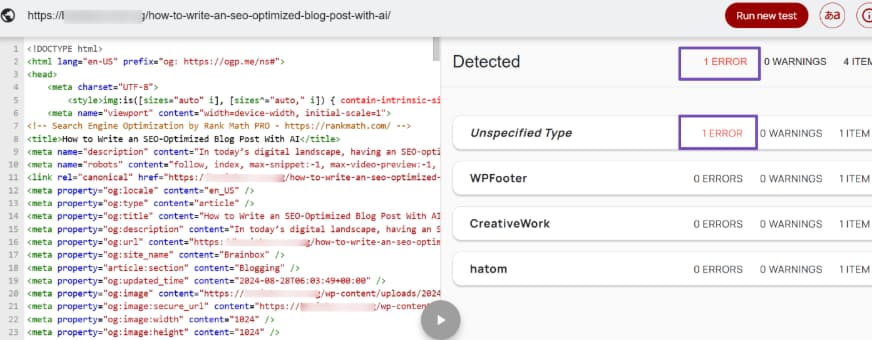
- Schema markup validators
The Future of Voice Search in Thailand
As we move through 2026, several trends will shape voice search in Thailand:
- Thai Language AI Improvements – NLP models for Thai are advancing rapidly, enabling more complex voice queries
- LINE Ecosystem Expansion – LINE’s integration of voice search across its platforms will create new optimization opportunities
- Smart Home Adoption – Increasing adoption of smart speakers will normalize voice search behavior
- Voice-First Mobile Apps – More Thai apps will incorporate voice search features
- Hyperlocal Optimization – Neighborhood-level voice search will become increasingly important
Conclusion
Voice search optimization isn’t optional anymore, it’s essential for businesses that want to remain discoverable in an AI-driven search landscape. By implementing these 10 strategies, Thai businesses can position themselves to capture the growing wave of voice search traffic.
The key is to start now. While your competitors are still focused solely on traditional text-based SEO, you can establish dominance in the voice search ecosystem. Focus on conversational content, featured snippets, local optimization, and technical excellence, and don’t forget the unique opportunities presented by Thailand’s LINE-centric digital ecosystem.
Your voice search optimization journey starts today.
Quick Reference: Voice Search Optimization Checklist
- [ ] Research conversational, question-based keywords
- [ ] Optimize existing content for featured snippets
- [ ] Claim and verify Google Business Profile
- [ ] Implement LocalBusiness schema markup
- [ ] Create FAQ pages with FAQ schema
- [ ] Improve page load speed (target < 2 seconds)
- [ ] Ensure mobile-first responsive design
- [ ] Set up LINE Official Account and Clova integration
- [ ] Create Thai-language voice-optimized content
- [ ] Monitor voice search metrics monthly